Having your documents and currency ready will help you stay proactive in any situation:
Essential documents: Bring your Citizen Identity Card (or Passport if you are an international traveler or overseas Vietnamese). If you are traveling with children, prepare an extra copy of their birth certificate.
Booking confirmations: Save your flight tickets, train tickets, and hotel booking confirmation codes digitally on your phone or print them out.
Cash & Bank cards: It is recommended to carry a small amount of Vietnamese Dong (VND) for minor expenses such as buying snacks, taking motorbike taxis, or eating at casual local eateries. In major cities, bank cards (ATM, Visa, Mastercard) are widely accepted and very convenient.
Read more: https://hanoiviptours.vn/news/di-dau-o-da-nang-20-diem-du-lich-hot-nhat-khong-the-bo-lo
Vietnam has distinct climate variations across regions. Depending on your destination, choose appropriate attire:
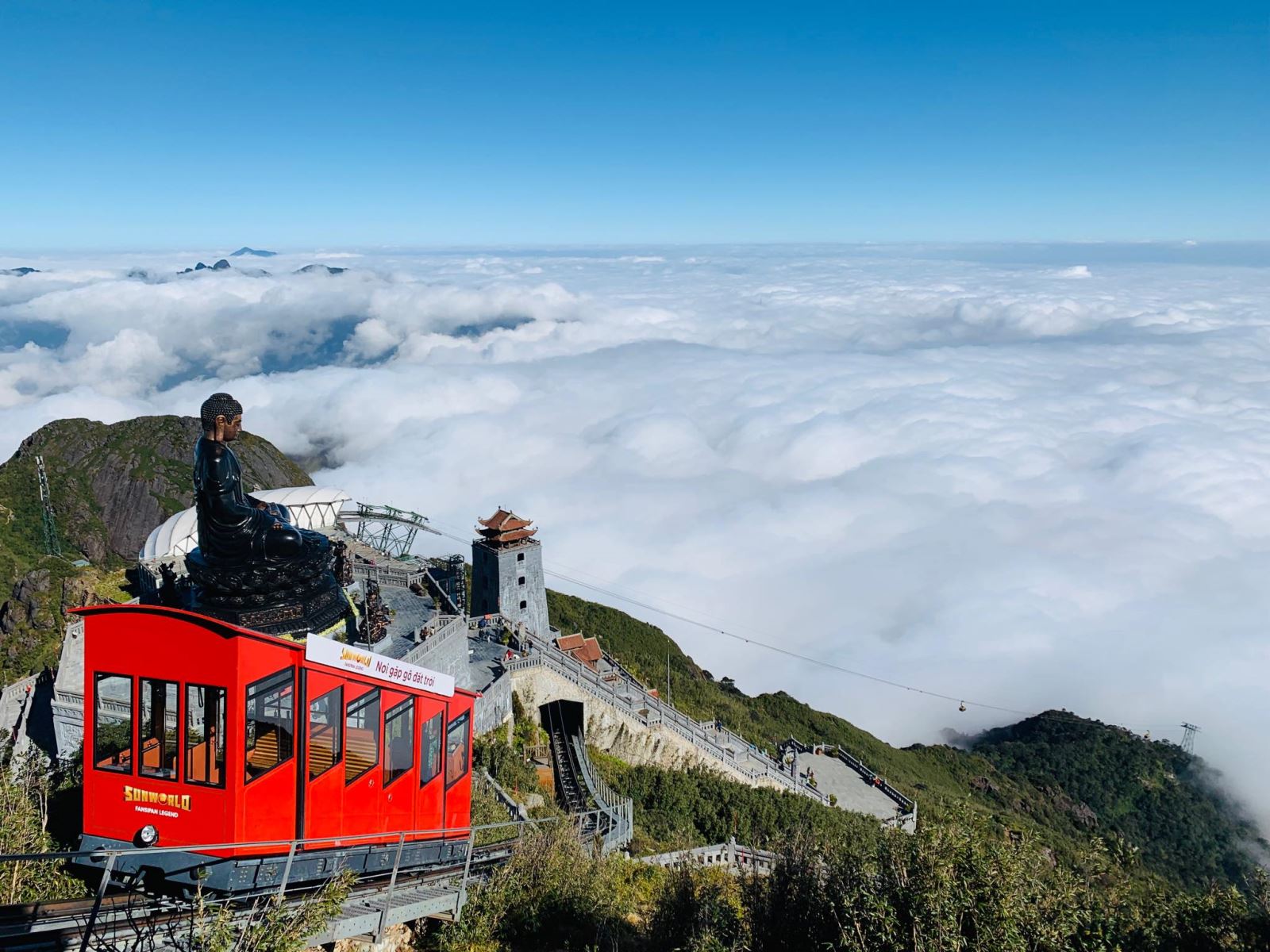
Northern Vietnam (Hanoi, Sapa, Ha Giang):
Winter (November - February of the following year): Very cold; prepare thick warm clothes, waterproof windbreakers, scarves, woolen hats, and gloves.
Summer: Hot and sunny weather; prioritize breathable clothing.
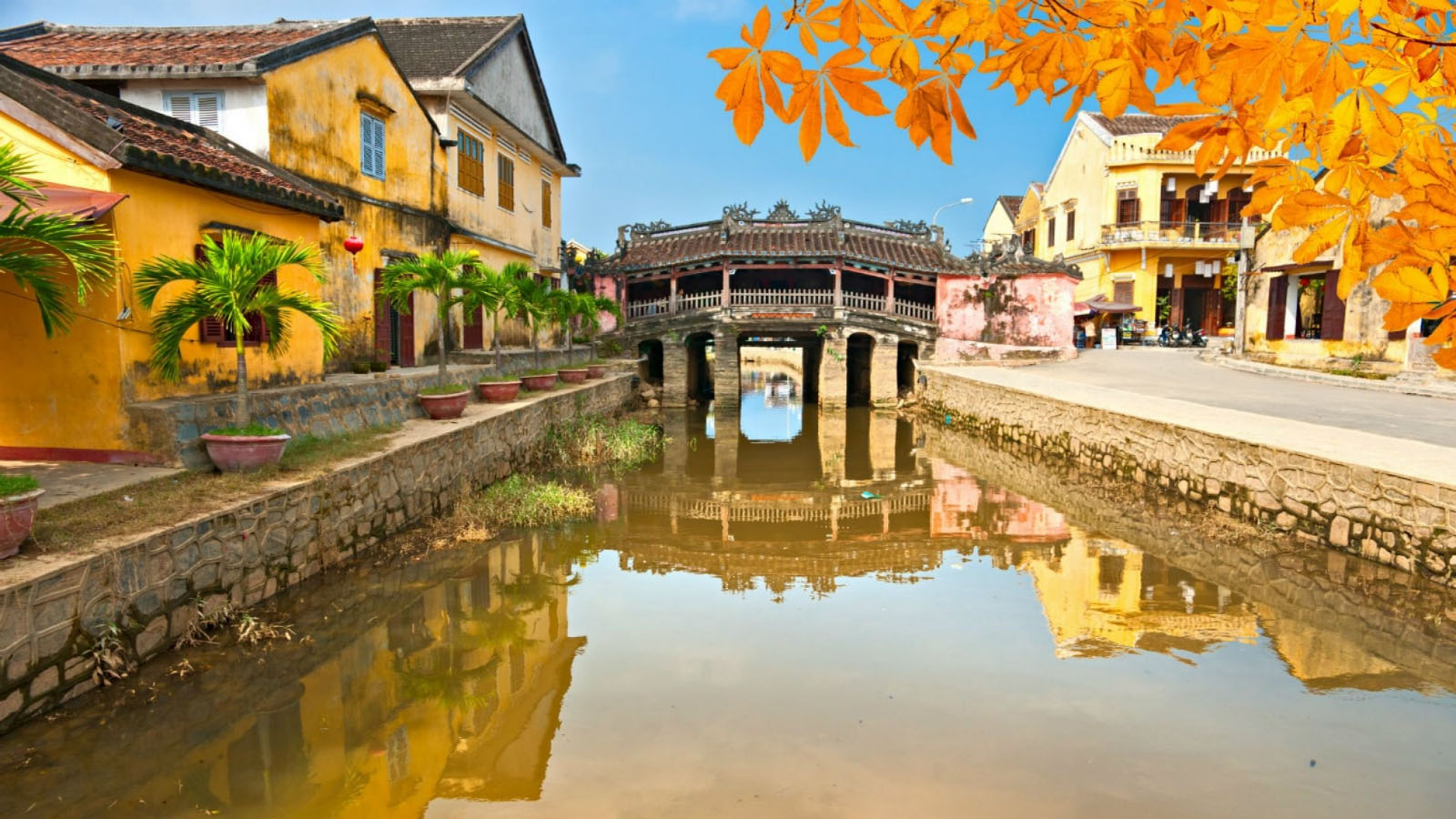
Central Vietnam (Da Nang, Hoi An, Nha Trang): Ideal for swimwear, sunglasses, wide-brimmed hats, and sunscreen. Note: Carefully check the weather forecast to avoid the storm season (usually lasting from September to December).

Southern Vietnam (HCMC, Phu Quoc, Mekong Delta provinces): Warm year-round; prioritize lightweight, highly absorbent clothing.

Footwear: A comfortable pair of sneakers is a must-have if you plan to walk, hike, or trek. Additionally, bring a pair of flip-flops or sandals for convenient everyday movement.
Read more: https://hanoiviptours.vn/tours/vietnam-charming-tour-11-days
To protect your health throughout the trip, don't forget to pack a compact medical kit:
Basic medication: Cold and fever medicine, stomach ache medicine, motion sickness pills, adhesive bandages, and medicated oil.
Body protection: Sunscreen and mosquito/insect repellent (especially useful when visiting mountainous regions, villages, or areas with dense greenery).
Personal items: Toothbrush, toothpaste, travel-sized facial cleanser (many homestays or small hotels may not provide these fully).
Technology will be your "reliable assistant" to make your journey much easier:
Phone & Power bank: Keep them fully charged to check maps, book rides, or make online payments.
Electrical outlets: Vietnam mainly uses standard 2-pin round or flat sockets with a 220V voltage supply.
Internet connection: You should buy a travel SIM or register for an eSIM right upon landing to always have internet access for navigation.
Download utility apps: Pre-install ride-hailing apps (such as Grab, Be), map apps (Google Maps), and booking/food delivery apps to optimize your travel and dining experiences.
Are you ready for your upcoming trip? Leave a comment below to let us know which city or region in Vietnam you are planning to visit!
 Shocking offer
 Shocking offer
For consultation and service booking, please contact us at :