Vietnam features a breathtaking S-shaped strip of land adorned with magnificent natural landscapes, an ancient culture, and a rich culinary scene that captivates travelers worldwide. However, if you are visiting Vietnam for the first time, planning where to start, how to get around, what to eat, and where to stay can feel a bit overwhelming.
Don't worry! This article shares a complete, A–Z guide on traveling through Vietnam, helping you confidently explore the full beauty of the country while optimizing both your budget and time.

Vietnam lies within a tropical monsoon climate zone, with each region boasting distinct weather patterns. Depending on your itinerary, you can choose the most suitable time to go:
Northern Vietnam (Hanoi, Sapa, Ha Giang): Autumn (from September to November) offers crisp air and brilliant golden sunshine, coinciding with the September ripe rice terraced fields—making it the absolute best time to visit. If you love cloud-hunting and catching winter snow, plan your trip during winter (from December to the following February).
Central Vietnam (Da Nang, Hoi An, Hue, Nha Trang): The ideal time is from January to August, featuring minimal rain and crystal-clear blue waters, perfect for swimming and outdoor sightseeing.
Southern Vietnam (HCMC, Phu Quoc, Mekong Delta): The climate is clearly divided into rainy and dry seasons. The dry season, lasting from November to April, is the ideal window to explore the South and its pristine tropical islands.
Expert Travel Tip: Check the weather forecast at least 7 days before your trip and avoid the peak storm season (typically September to November in Central Vietnam) to keep your schedule uninterrupted.
Vietnam's transportation network is highly developed, making it easy to travel between provinces and cities:
Air Travel: The fastest way to travel between regions (e.g., flying from Hanoi to HCMC or Da Nang). Major airlines like Vietnam Airlines, Vietjet Air, and Bamboo Airways frequently offer promotional fares if you book 1–2 months in advance.
Trains: The North-South railway experience is a wonderful choice for those with a flexible schedule who want to take in stunning roadside scenery (especially along the Hai Van Pass route).
Sleeper Buses & Limousines: Great for short-to-medium distances (such as Hanoi to Sapa or Ha Giang, or HCMC to Da Lat and Mekong Delta provinces).
Getting Around Locally: Renting a motorbike (around 120,000 VND - 150,000 VND per day) gives you the freedom to explore hidden alleys, while ride-hailing apps (Grab, Be, Gojek) are readily available in major cities.
Sê more: 10 Nhà Hàng Sapa Ngon, Đẹp, Giá Hợp Lý – Địa Chỉ Ăn Uống Không Nên Bỏ Lỡ
If you have a timeframe of 7 to 14 days, here are two popular and beginner-friendly routes:
Days 1 - 2: Explore Hoi An Ancient Town, release floating lanterns on the Hoai River, and savor local Cao Lau noodles.
Days 3 - 4: Head to Da Nang, check out the Dragon Bridge and My Khe Beach, and visit Ba Na Hills.
Days 5 - 6: Visit the ancient capital of Hue, tour the Imperial Citadel and royal tombs, and try royal-style cuisine.
Day 7: Buy souvenirs and wrap up your trip departing from Da Nang or Hue airport.
Days 1 - 2: Hanoi – Sapa, conquer Fansipan Peak, and explore Cat Cat Village.
Days 3 - 4: Sapa – Ha Giang, cross the breathtaking Ma Pi Leng Pass, take a boat ride on the Nho Que River, and admire the Dong Van Karst Plateau.
Day 5: Return to Hanoi to conclude your highland adventure.

No trip to Vietnam is complete without experiencing its world-renowned culinary scene. Each region carries its own signature taste:
Northern Vietnam: Hanoi Pho, Bun Cha (grilled pork with rice noodles), Cha Ca La Vong (turmeric fish), and Com (young green rice cakes).
Central Vietnam: Mi Quang (Quang-style noodles), Hoi An Chicken Rice, Bun Bo Hue (spicy beef noodle soup), and Banh Xeo (crispy pancakes).
Southern Vietnam: Hu Tieu Nam Vang, Southern-style Banh Xeo, Lao Mam (fermented fish hotpot), and Com Tam (broken rice with grilled pork).
See more: Đi Đâu Ở Đà Nẵng? 20 Điểm Du Lịch Hot Nhất Không Thể Bỏ Lỡ
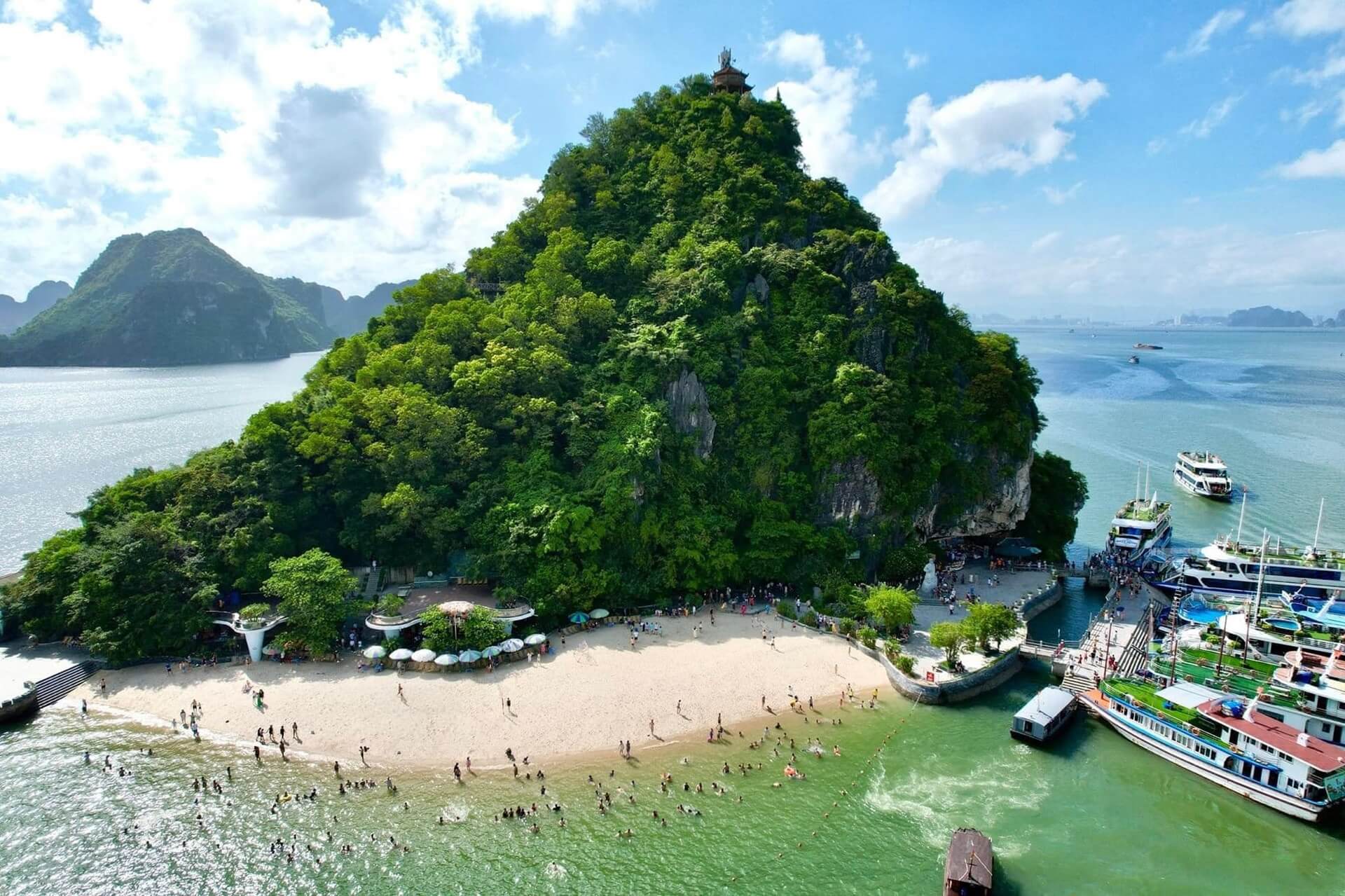
Book Early: Reserve your flights and hotels at least a month in advance to secure promotional rates and avoid fully booked situations during high seasons.
Pack Appropriate Clothing: Bring comfortable sneakers for walking and respectful attire when visiting sacred sites (temples and pagodas).
Carry Cash: Although digital transfers and card payments are widespread, keeping some small cash notes handy is helpful for local markets or small street food stalls.
Download Helpful Apps: Google Maps (navigation), Grab/Xanh SM (transportation), Agoda/Booking (accommodation), and translation apps if needed.
Traveling to Vietnam will undoubtedly leave you with unforgettable emotions thanks to its breathtaking natural wonders and the warm hospitality of its locals. Hopefully, this A–Z Vietnam travel guide serves as a handy companion for your first steps. Have a safe journey filled with memorable experiences, and don't forget to share your wonderful adventures!
 Shocking offer
For consultation and service booking, please contact us at :